How to Master Wall Painting Design: A Comprehensive Guide
Embark on a journey into the world of wall painting design, where creativity knows no bounds and every stroke tells a story. From the intricate details of color selection to the mesmerizing techniques that bring walls to life, this guide is your key to unlocking the artistry of interior design.
Wall Painting Design Elements
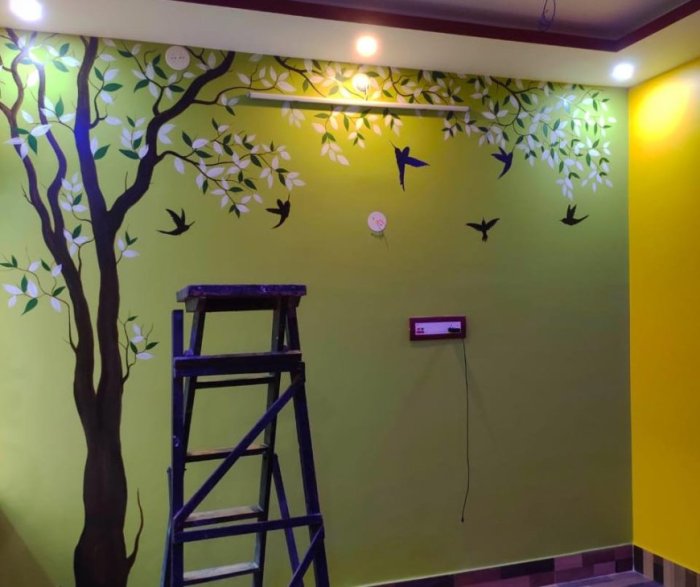
When creating a wall painting design, there are key elements to consider to ensure a visually appealing result. Color, texture, and patterns all play a crucial role in the overall design aesthetic.
Color:
Color is one of the most important elements in wall painting design. Different colors evoke different emotions and can set the mood for a space. For example, warm colors like red, orange, and yellow can create a cozy and inviting atmosphere, while cool colors like blue and green can promote a sense of calm and relaxation.
Combining complementary colors or using different shades of the same color can add depth and interest to the design.
Texture:
Texture adds dimension to a wall painting design. It can be achieved through the use of different painting techniques, such as stippling, sponging, or rag rolling. Textured walls can create visual interest and can also help conceal imperfections in the wall surface.
Mixing smooth and textured areas can create a dynamic and engaging design.
Patterns:
Patterns can bring a sense of rhythm and movement to a wall painting design. Geometric patterns, stripes, or floral motifs can add a decorative element to the space. Patterns can be subtle or bold, depending on the desired effect. Combining different patterns or using a mix of large and small scale patterns can create a visually interesting and cohesive design.Overall, combining color, texture, and patterns thoughtfully can result in a visually appealing wall painting design that enhances the overall look and feel of a space.
Popular Wall Painting Techniques
When it comes to creating visually stunning wall designs, there are several popular techniques that are commonly used by artists and DIY enthusiasts. These techniques can add depth, texture, and character to any space, transforming a plain wall into a work of art.
Stenciling
Stenciling is a popular technique that involves using pre-designed templates to create intricate patterns or images on walls. By securing the stencil to the wall and applying paint with a brush or roller, you can achieve precise and detailed designs.
Stenciling allows for repeatability and consistency in your patterns, making it a great option for creating geometric shapes, floral motifs, or intricate borders.
Sponging
Sponging is a versatile technique that involves dabbing or stippling paint onto the wall using a sponge. This creates a soft, mottled effect that adds texture and depth to the surface. Sponging can be done in a single color for a subtle look or multiple colors for a more dynamic finish.
It is a great way to add visual interest to a room without overwhelming the space.
Rag Rolling
Rag rolling is another technique that involves applying paint to the wall with a rolled-up rag or cloth. This creates a unique texture that resembles the look of fabric or leather. Rag rolling can add a touch of elegance and sophistication to a room, especially when done in metallic or pearlescent paints.
This technique works well for creating a faux finish that mimics expensive materials.
Freehand Painting vs. Stencils
When deciding between freehand painting and using stencils for your wall designs, consider the level of precision and control you want to achieve. Freehand painting allows for more artistic freedom and creativity, but it can be challenging to maintain consistency in complex patterns.
On the other hand, stencils offer a more structured approach with consistent results, making them ideal for intricate designs or repeating patterns.
How to Achieve Ombre Walls
To achieve ombre walls, start by selecting two or more shades of the same color that gradually transition from light to dark. Begin by painting the lightest shade at the top of the wall and gradually blend in the darker shades as you move downward.
Use a large brush or roller to create a seamless gradient, blending the colors together while they are still wet. This technique creates a subtle and elegant ombre effect that adds depth and dimension to any space.
How to Create Geometric Patterns
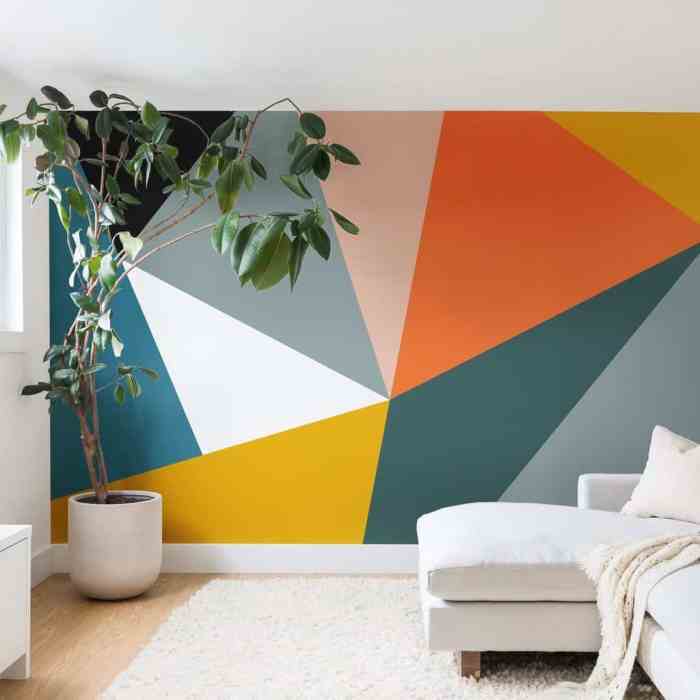
To create geometric patterns on your walls, start by measuring and marking out the desired shapes using a pencil and ruler. Use painter's tape to mask off the areas you want to keep free of paint, creating crisp lines and angles.
Paint each section with the desired color, making sure to remove the tape before the paint fully dries to prevent peeling. This technique allows you to customize your walls with modern and eye-catching geometric designs that can transform the look of a room
Choosing the Right Color Palette
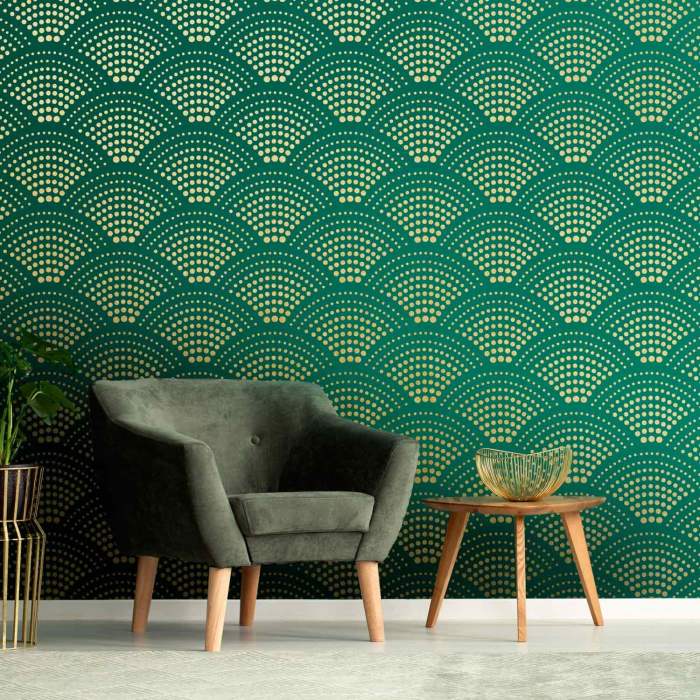
When it comes to wall painting designs, selecting the right color palette is crucial in achieving the desired look and feel for a room. The colors you choose can greatly impact the overall ambiance and mood of the space.
Understanding the Psychological Effects of Colors
Colors have the power to evoke certain emotions and feelings. For example:
- Blue: known for its calming effect, ideal for bedrooms or areas meant for relaxation.
- Red: a bold and energetic color that can stimulate conversation in social settings like dining rooms.
- Green: promotes a sense of tranquility and nature, perfect for spaces where you want to create a peaceful atmosphere.
- Yellow: a cheerful and uplifting color that can bring warmth to kitchens or living rooms.
Tips for Creating a Harmonious Color Scheme
- Start with a base color: Choose a neutral or muted color as the base for the walls.
- Use the 60-30-10 rule: Divide your color choices into 60% dominant color, 30% secondary color, and 10% accent color for balance.
- Consider the room's purpose: Match the color palette with the function of the room to enhance its intended use.
- Test samples: Before committing to a color scheme, test out paint samples on the wall to see how they look in different lighting conditions.
Wall Painting Design Inspiration
When it comes to finding inspiration for wall painting designs, there are a plethora of sources to explore. Whether drawing from nature, art movements, or cultural motifs, the possibilities are endless.
Historical Influence on Modern Design Trends
Historical wall paintings have played a significant role in shaping modern design trends. For example, the frescoes of the Renaissance period have inspired many contemporary artists and designers. The use of geometric patterns and intricate details seen in ancient Egyptian wall paintings have also made a comeback in modern interior design.
Personalizing Your Wall Paintings
Personalizing your wall paintings is a great way to add a unique touch to your space. Whether incorporating favorite colors, meaningful symbols, or personal memories, there are countless ways to make your wall art reflect your individual style and preferences.
Ultimate Conclusion
As we conclude our exploration of wall painting design, remember that your walls are a canvas for self-expression and creativity. Let your imagination run wild and transform your living spaces into personalized masterpieces that reflect your unique style.
FAQ Guide
How important is color selection in wall painting design?
Color selection is crucial as it sets the tone and ambiance of a room. Different colors evoke varying emotions and can greatly impact the overall feel of a space.
What are some popular techniques for wall painting design?
Popular techniques include stenciling, sponging, and rag rolling. Each technique offers a unique way to add texture and depth to your walls.
Where can I find inspiration for my wall painting designs?
Inspiration can be drawn from nature, art movements, or even historical wall paintings. Look for elements that resonate with you and incorporate them into your design.