Crafting the Perfect Living Room Design: A Comprehensive Guide
As living room design takes center stage, this opening passage beckons readers into a world crafted with good knowledge, ensuring a reading experience that is both absorbing and distinctly original.
The design of a living room is not just about aesthetics; it plays a crucial role in setting the tone for the entire house. From furniture placement to color schemes, every element contributes to creating a space that is both functional and visually appealing.
Let's delve deeper into the art of living room design.
Importance of Living Room Design
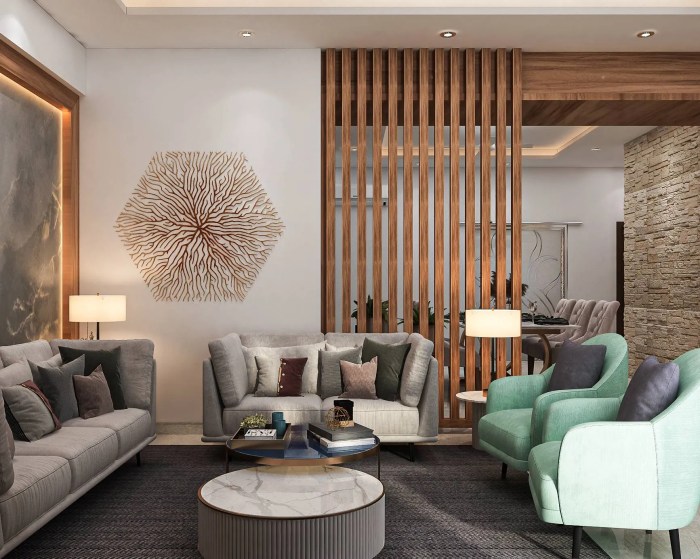
When it comes to designing a home, the living room plays a crucial role in setting the tone for the entire space. It is often the first room guests see and where families spend a significant amount of time together.
Therefore, the design of the living room is essential in creating a welcoming and functional environment.
Enhancing Overall Aesthetic
A well-designed living room can greatly enhance the overall aesthetic of a house. The choice of colors, furniture, lighting, and decor can all contribute to creating a cohesive and visually appealing space. By carefully selecting design elements that complement each other, you can achieve a harmonious and stylish look that reflects your personal taste and lifestyle.
Impact on Functionality and Mood
The design of the living room also has a significant impact on its functionality and mood. Proper layout and furniture arrangement can optimize the use of space and create a comfortable environment for relaxing, entertaining, or working. Additionally, elements like natural light, ventilation, and acoustics can influence the mood and ambiance of the room, affecting the overall experience of those who inhabit it.
Elements of Living Room Design
When it comes to designing a living room, several key elements play a crucial role in creating a well-balanced and inviting space. From furniture placement to lighting and color schemes, each component contributes to the overall aesthetics and functionality of the room.
Furniture Placement
Optimal furniture placement is essential in maximizing space and ensuring comfort in a living room. By strategically arranging sofas, chairs, tables, and other furniture pieces, you can create a functional layout that promotes easy traffic flow and conversation. Additionally, considering the scale of furniture in relation to the size of the room can help prevent overcrowding or an imbalance in the space.
Lighting
Lighting is a key element that can greatly influence the ambiance of a living room. Natural light sources, such as windows and skylights, can brighten up the room and create a welcoming atmosphere. Additionally, incorporating a mix of overhead lighting, task lighting, and accent lighting can provide flexibility and allow for different lighting options depending on the time of day or mood.
Color Schemes and Textures
Choosing the right color scheme and textures can tie the design elements of a living room together and create a cohesive look. Bold colors can add personality and vibrancy, while neutral tones can create a calming and timeless feel. Mixing textures, such as smooth fabrics, plush rugs, and wooden accents, can add depth and visual interest to the space.
Popular Living Room Design Styles
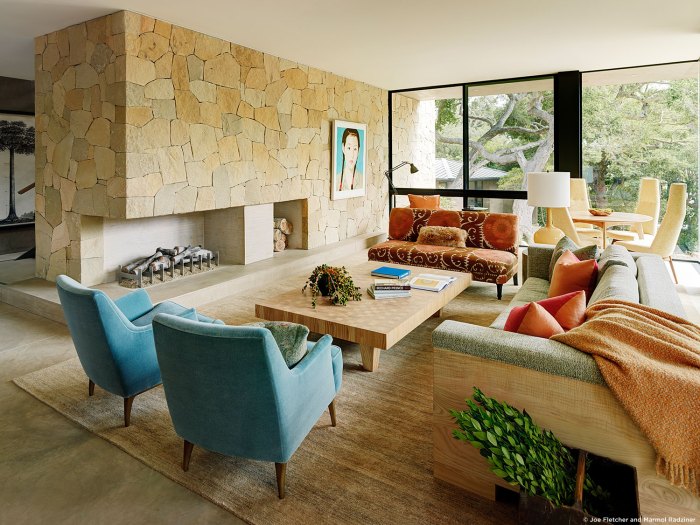
When it comes to designing a living room, there are several popular styles that homeowners can choose from to create a space that reflects their personal taste and lifestyle. Each design style offers a unique aesthetic and functionality, catering to different preferences and needs.
Modern
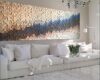
The modern living room design style is characterized by clean lines, minimalism, and a focus on sleek surfaces and materials such as glass and metal. Neutral color palettes with bold accents are commonly used to create a contemporary and sophisticated look.
- Example: Incorporate modern design by choosing furniture with simple, geometric shapes and adding abstract art pieces for a pop of color.
Traditional
Traditional living room design is all about elegance, comfort, and classic aesthetics. This style often features rich woods, intricate details, and luxurious fabrics like velvet and silk. Warm and inviting colors are used to create a cozy and timeless atmosphere.
- Example: Achieve a traditional look by incorporating ornate furniture pieces, such as a tufted sofa and antique coffee table, paired with traditional patterns like floral or damask.
Minimalist
Minimalist design focuses on simplicity, functionality, and a clutter-free environment. Neutral colors, clean lines, and a less-is-more approach define this style. Furniture with hidden storage solutions is often used to maintain a streamlined look.
- Example: Embrace minimalism by selecting furniture with sleek silhouettes, opting for a monochromatic color scheme, and keeping decorative items to a minimum for a clean and understated living room.
Eclectic
Eclectic design is a mix-and-match approach that combines elements from various styles to create a personalized and visually dynamic living room. It embraces creativity, individuality, and a sense of adventure by blending different textures, colors, and patterns.
- Example: Infuse eclectic style by layering different rugs, mixing furniture pieces from different eras, and displaying a curated collection of art and decor items for a vibrant and eclectic living room.
Tips for Designing a Functional Living Room
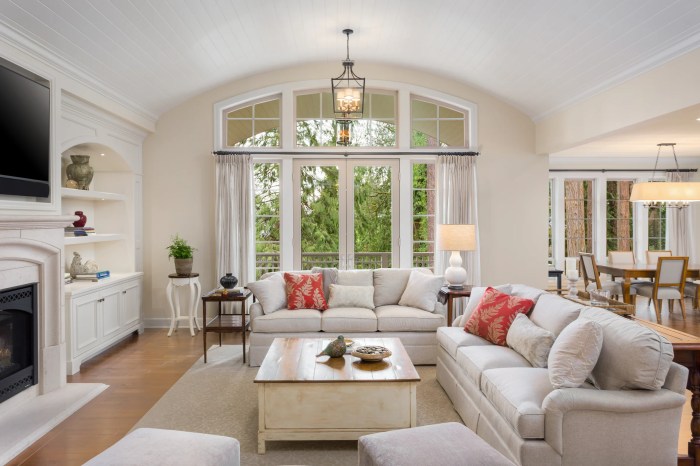
Creating a functional living room is essential for maximizing both space and comfort in your home. Here are some practical tips to help you design a living room that is both stylish and functional.
Maximizing Space in a Small Living Room
When dealing with a small living room, it's important to make the most out of the space you have. Here are some tips to help you maximize space:
- Choose furniture that serves multiple purposes, such as a sofa with storage compartments or a coffee table that can also be used as a desk.
- Utilize vertical space by installing shelves or hanging artwork to draw the eye upward and create the illusion of more space.
- Opt for furniture with exposed legs to create a sense of openness and airiness in the room.
Creating a Focal Point in the Living Room
Having a focal point in your living room not only adds visual interest but also helps to anchor the room and tie the design together. Here are some ideas for creating a focal point:
- Choose a statement piece of furniture, such as a bold-colored sofa or an eye-catching piece of artwork, to draw attention to a specific area of the room.
- Use lighting fixtures, like a chandelier or a floor lamp, to highlight a particular feature in the room.
- Create a gallery wall with a collection of photos or artwork to serve as a focal point and showcase your personal style.
Incorporating Personal Touches and Decor
To make your living room feel inviting and cozy, it's important to incorporate personal touches and decor that reflect your unique style. Here are some ideas to help you infuse personality into your living space:
- Add throw pillows and blankets in your favorite colors and patterns to make the space feel warm and inviting.
- Showcase personal mementos, such as family photos or travel souvenirs, on shelves or tabletops to add a personal touch to the room.
- Bring in plants or fresh flowers to add a touch of nature and freshness to the space, creating a welcoming atmosphere.
Wrap-Up
In conclusion, mastering the art of living room design involves a delicate balance of aesthetics and functionality. By understanding the importance of key elements and popular design styles, you can create a space that truly reflects your personality and enhances your daily living experience.
Start your design journey today and transform your living room into a sanctuary of style and comfort.
Query Resolution
Why is living room design important?
Living room design is crucial as it sets the tone for the rest of the house and is where you entertain guests and spend quality time with family.
How can I maximize space in a small living room?
To maximize space in a small living room, consider using multifunctional furniture, utilizing vertical space, and keeping clutter to a minimum.
What are some popular living room design styles?
Common living room design styles include modern, traditional, minimalist, and eclectic, each offering a unique aesthetic and functionality.