Exploring the Wonders of Biophilic Design
Embark on a journey through the enchanting realm of biophilic design, where nature and architecture intertwine to create harmonious spaces that elevate the human experience. Dive into this captivating exploration of biophilic design, filled with insights and inspiration that will leave you craving for more.
Discover the essence of biophilic design and how it transforms ordinary spaces into extraordinary sanctuaries of tranquility and vitality.
Definition of Biophilic Design
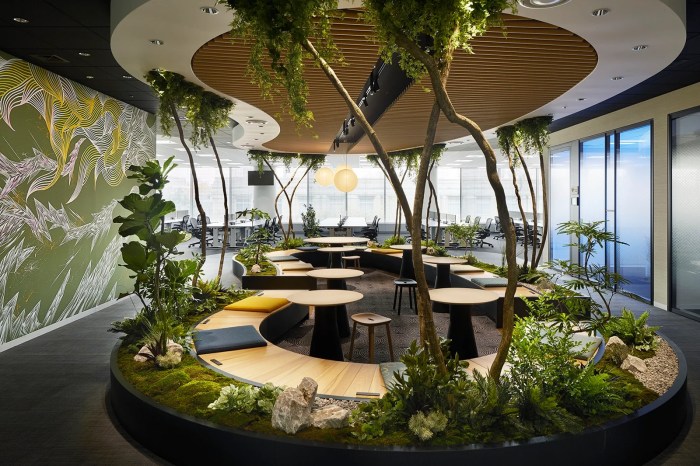
Biophilic design is an innovative approach to design that integrates nature and natural elements into the built environment to create spaces that enhance our health, well-being, and overall quality of life. The core principles of biophilic design involve connecting people with nature, incorporating natural materials, patterns, and colors, as well as maximizing natural light and views of the outdoors.
Key Elements of Biophilic Design
- Use of natural materials such as wood, stone, and plants to bring a sense of nature indoors.
- Incorporation of natural patterns and textures inspired by the environment, like leaf motifs or flowing water designs.
- Maximizing natural light through large windows, skylights, and light wells to improve mood and productivity.
- Integration of indoor plants and living green walls to purify the air and create a connection to nature.
Examples of Biophilic Design in Different Spaces
- In office buildings, biophilic design can be seen in the use of natural materials like wood accents, green walls, and indoor gardens to create a more relaxing and productive work environment.
- In residential spaces, biophilic design may include large windows that offer views of greenery, indoor plants to improve air quality, and natural textures like bamboo flooring or stone countertops.
- In healthcare facilities, biophilic design elements such as nature-inspired artwork, healing gardens, and natural light can help reduce stress and promote faster recovery among patients.
Benefits of Biophilic Design
Biophilic design brings a myriad of benefits to built environments, enhancing the overall well-being of individuals and the ecosystem. By incorporating elements of nature into man-made spaces, this design approach has shown to have positive impacts on human health, productivity, and creativity.
Improved Health and Well-being
- Reduction in stress levels: Exposure to natural elements such as sunlight, greenery, and water features can help lower stress levels and improve mental health.
- Enhanced air quality: Incorporating plants and natural ventilation systems can improve indoor air quality, reducing respiratory issues and allergies.
- Promotion of physical activity: Biophilic design encourages movement and interaction with nature, promoting physical well-being and reducing the risks of sedentary lifestyles.
Increased Productivity and Creativity
- Boost in focus and concentration: Biophilic elements have been linked to increased focus, attention span, and cognitive performance in various settings such as schools and workplaces.
- Stimulated creativity: Exposure to natural light and views of nature have been shown to inspire creativity and innovation, leading to higher levels of productivity and problem-solving skills.
- Enhanced mood and morale: Being surrounded by nature in indoor spaces can elevate mood, increase job satisfaction, and foster a positive work environment.
Biophilic Design Elements
Biophilic design incorporates various elements inspired by nature to create spaces that enhance well-being and productivity. These elements mimic natural environments and help establish a connection with the outdoors, bringing the benefits of nature indoors.
Natural Light
Natural light is a key element in biophilic design, as it has a significant impact on human health and well-being. Sunlight provides warmth, regulates circadian rhythms, and improves mood and productivity. Incorporating ample windows, skylights, and open spaces to allow natural light to penetrate the interior spaces is essential in biophilic design.
Vegetation
Plants play a crucial role in biophilic design by bringing nature indoors. Incorporating greenery such as potted plants, vertical gardens, and living walls not only enhances aesthetics but also improves air quality, reduces stress, and boosts creativity and focus.
Natural Materials
Using natural materials like wood, stone, bamboo, and cork in interior design elements helps create a sense of warmth and connection to nature. These materials add texture, visual interest, and a sense of authenticity to spaces, promoting a harmonious environment that reflects the natural world.
Water Features
Water features such as fountains, ponds, or even aquariums can bring the calming and rejuvenating effects of water into indoor spaces. The sight and sound of flowing water help reduce stress, improve mental clarity, and create a sense of tranquility, enhancing the overall biophilic design experience.
Natural Textures
Incorporating natural textures like wood grain, stone surfaces, or woven materials adds depth and tactile appeal to interior spaces. These textures evoke a sense of connection to the natural world, providing comfort and visual interest while promoting a sense of well-being.
Views of Nature
Access to views of nature, whether through windows, balconies, or outdoor spaces, is essential in biophilic design. Connecting interior spaces to the outside environment allows occupants to experience the changing seasons, natural landscapes, and wildlife, fostering a sense of connection and rejuvenation.
Biophilic Design Applications
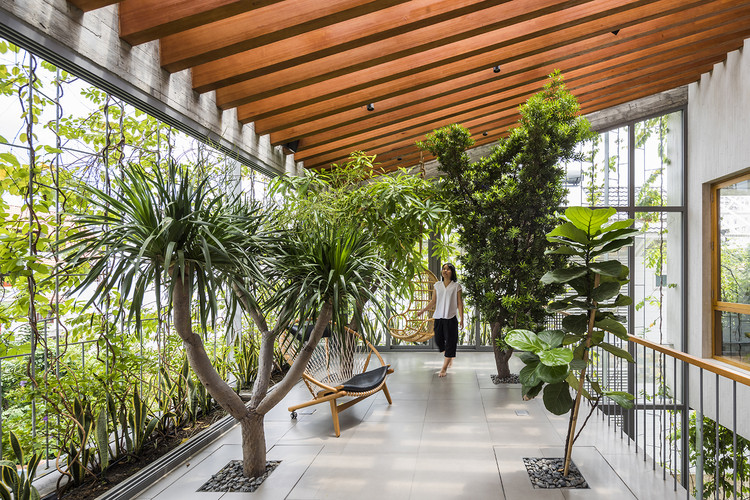
Biophilic design principles can be successfully applied in various settings to enhance well-being, productivity, and overall quality of life. Let's explore some examples of biophilic design projects worldwide and how these principles can be integrated into different environments.
Successful Biophilic Design Projects Worldwide
- The Amazon Spheres in Seattle, USA, feature a stunning glass dome structure filled with over 40,000 plants, creating a lush indoor rainforest environment for employees of Amazon.
- The Gardens by the Bay in Singapore combine cutting-edge technology with nature-inspired design elements, including the iconic Supertrees and Cloud Forest conservatories.
- The Bosco Verticale in Milan, Italy, is a pair of residential towers covered in over 900 trees and 20,000 plants, providing natural insulation, reducing energy consumption, and improving air quality.
Integration of Biophilic Design in Urban Planning and Public Spaces
Urban planners are increasingly incorporating biophilic design principles into city landscapes and public spaces to create healthier and more sustainable environments for residents. This includes the addition of green roofs, vertical gardens, urban parks, and natural water features to promote biodiversity, reduce urban heat island effect, and enhance overall well-being.
Biophilic Design in Workplaces, Healthcare Facilities, and Educational Institutions
- In workplaces, introducing natural elements such as indoor plants, daylighting, and nature views can improve employee satisfaction, creativity, and productivity.
- Healthcare facilities are integrating biophilic design to create healing environments that reduce stress, anxiety, and promote faster recovery rates among patients.
- Educational institutions are incorporating biophilic design elements in classrooms and campus settings to enhance student focus, cognitive function, and overall academic performance.
Biophilic Design Strategies
Implementing biophilic design in new construction and renovation projects involves careful planning and consideration of various strategies to create spaces that connect individuals with nature. By incorporating elements inspired by the natural world, designers can enhance well-being, productivity, and overall satisfaction in indoor environments.
Tailoring a Biophilic Design Plan
Creating a biophilic design plan tailored to specific environments requires a deep understanding of the space and its occupants. Designers should conduct thorough research on the site, considering factors such as sunlight exposure, views of nature, and existing vegetation. By analyzing these elements, a customized biophilic design plan can be developed to maximize the benefits of nature integration.
- Assess the existing natural elements in the environment, such as sunlight, airflow, and vegetation, to determine how they can be incorporated into the design.
- Consider the specific needs and preferences of the occupants to ensure that the biophilic design plan enhances their well-being and overall experience.
- Integrate natural materials, textures, colors, and patterns into the design to create a sense of connection with the outdoors.
- Incorporate biophilic elements such as living walls, water features, and natural lighting to bring the benefits of nature indoors.
Engaging with Nature in Indoor Spaces
Engaging with nature in indoor spaces through biophilic design is essential for creating environments that promote health, happiness, and productivity. By incorporating elements inspired by nature, such as plants, natural light, and views of the outdoors, designers can help individuals feel more connected to the environment and improve their overall well-being.
- Utilize biophilic design elements to mimic natural patterns, shapes, and forms that are found in the environment.
- Create spaces that provide opportunities for interaction with nature, such as outdoor courtyards, green roofs, and indoor gardens.
- Integrate biophilic design principles into the overall layout and organization of the space to enhance the connection with nature.
- Encourage the use of natural materials and finishes that evoke a sense of the outdoors and create a calming and rejuvenating atmosphere.
Last Word
As we conclude our exploration of biophilic design, we are reminded of the profound connection between nature and human well-being. Let the principles of biophilic design continue to inspire us to create spaces that nurture both the body and soul, fostering a deeper appreciation for the natural world around us.
Answers to Common Questions
How can biophilic design benefit overall well-being?
Biophilic design has been shown to reduce stress, enhance creativity, and improve cognitive function by reconnecting individuals with nature in their everyday environments.
What are some common elements used in biophilic design?
Elements such as natural light, greenery, water features, and natural textures are frequently incorporated to mimic the presence of nature indoors.
Can biophilic design be applied to urban spaces?
Absolutely, biophilic design principles can be integrated into urban planning to introduce more green spaces, natural elements, and sustainable features in city environments.