Creative TV Wall Design Ideas to Transform Your Living Space
Embark on a journey of creativity and functionality with our guide to TV wall design. From built-in setups to floating shelves, explore the various options to elevate your entertainment area.
Discover the perfect balance between style and practicality as we delve into the world of TV wall designs, offering insightful tips and inspiring ideas along the way.
Types of TV Wall Designs
When it comes to TV wall designs, there are several options to choose from to enhance the aesthetic appeal of your living space. Each design type offers unique features and benefits, catering to different preferences and needs.
Built-In TV Wall
A built-in TV wall design involves creating a custom storage unit that seamlessly integrates the TV into the overall structure. This design type offers a clean and streamlined look, with the TV appearing as part of the wall rather than a separate entity.
Built-in TV walls are great for optimizing space and hiding unsightly cables and wires.
Floating Shelves
Floating shelves are a popular choice for TV walls, providing a modern and minimalist look. These shelves are mounted directly onto the wall, giving the illusion that they are floating. Floating shelves can be used to display decor items, books, or media devices, adding both functionality and style to the space.
Entertainment Center
An entertainment center is a comprehensive unit that houses the TV, media components, and storage space for other items. This design type is ideal for organizing all entertainment-related items in one place, creating a focal point in the room. Entertainment centers come in various styles and sizes to suit different room layouts.
Gallery Wall
A gallery wall TV design involves incorporating the TV into a collection of framed artwork, photos, or decorative pieces. This design adds a personal touch to the space and allows for customization based on individual preferences. Gallery walls can be easily updated or rearranged to keep the look fresh and engaging.
Pros and Cons
- Built-In TV Wall:Pros - seamless integration, space optimization. Cons - costly, less flexibility for TV placement.
- Floating Shelves:Pros - modern look, versatile display options. Cons - limited weight capacity, visible mounting hardware.
- Entertainment Center:Pros - all-in-one solution, organized storage. Cons - bulky, may dominate smaller rooms.
- Gallery Wall:Pros - customizable, personal touch. Cons - requires regular maintenance, potential visual clutter.
Factors to Consider in TV Wall Design
When designing a TV wall, it is crucial to take various factors into consideration to ensure a functional and visually appealing setup. Factors such as room size, layout, viewing angles, aesthetics, storage solutions, and cable management play a significant role in determining the overall design of the TV wall.
Room Size and Layout
Determining the size of the room where the TV wall will be installed is essential. A large TV wall in a small room can overwhelm the space, while a small TV wall in a large room may look out of place.
Consider the layout of the room and the location of windows, doors, and other furniture to determine the best placement for the TV wall.
Viewing Angles
Another important factor to consider is the viewing angles of the TV. The TV should be positioned at a height and angle that allows for comfortable viewing from various seating areas in the room. Avoid placing the TV too high or too low, as this can strain the neck and eyes of viewers.
Aesthetics
The aesthetics of the TV wall design should complement the overall decor of the room. Choose a design that harmonizes with the style and color scheme of the space. Consider incorporating elements such as floating shelves, integrated lighting, or decorative panels to enhance the visual appeal of the TV wall.
Storage Solutions and Cable Management
Incorporating storage solutions and cable management is crucial for a clean and organized TV wall design. Choose furniture pieces or shelving units that provide storage for media equipment, DVDs, and other accessories. Conceal cables and wires to prevent clutter and create a seamless look.
Materials and Finishes for TV Wall Designs
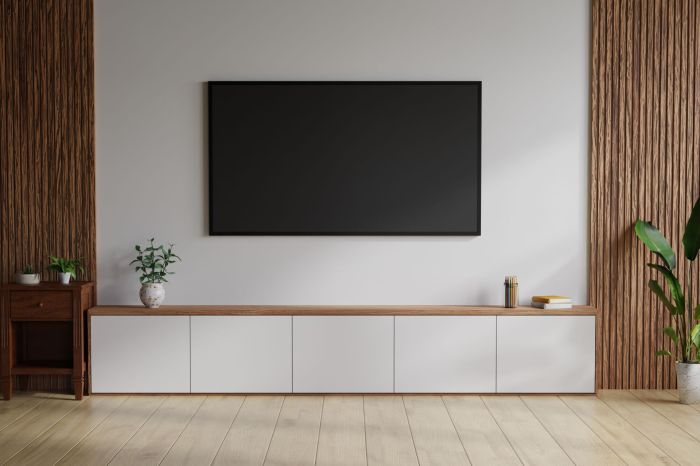
When it comes to designing a TV wall, the choice of materials and finishes plays a crucial role in determining the overall aesthetic appeal of the space. From wood to metal, glass, and stone, each material brings its unique characteristics to the design.
Additionally, finishes like matte, glossy, textured, or painted can further enhance the look of the TV wall, adding depth and dimension. Selecting the right combination of materials and finishes is essential to ensure that the TV wall complements the existing decor seamlessly.
Common Materials Used in TV Wall Designs
- Wood: Wood is a popular choice for TV wall designs due to its warmth and versatility. It can be stained or painted to match any interior style, from rustic to contemporary.
- Metal: Metal accents or frames can add a modern and industrial touch to a TV wall design. Metals like steel or aluminum are often used for a sleek and minimalist look.
- Glass: Glass panels or shelves can create a sleek and sophisticated look for a TV wall. They can reflect light and create an illusion of more space in the room.
- Stone: Natural stone, such as marble or slate, can add a touch of luxury and elegance to a TV wall design. It can be used as a backdrop or accent to highlight the TV.
Impact of Different Finishes on TV Wall Designs
- Matte Finish: Matte finishes create a soft and subtle look, reducing glare and reflections. They are ideal for a more understated and sophisticated design.
- Glossy Finish: Glossy finishes reflect light and create a sleek and modern appearance. They can make colors appear more vibrant and add a touch of luxury to the TV wall.
- Textured Finish: Textured finishes add depth and visual interest to a TV wall design. They can create a tactile experience and make the wall more dynamic.
- Painted Finish: Painted finishes allow for endless color options and customization. Whether bold or neutral, painted finishes can transform the look of a TV wall to match any decor style.
Recommendations on Selecting Materials and Finishes:When choosing materials and finishes for a TV wall design, it is important to consider the existing decor of the room. Opt for materials and finishes that complement the furniture, flooring, and overall style of the space.
For a cohesive look, select finishes that tie in with the color scheme and textures already present in the room. Additionally, consider the maintenance and durability of the materials to ensure longevity and functionality in the design.
Lighting and Decor Elements for TV Wall Designs
When it comes to designing a TV wall, lighting and decor elements play a crucial role in creating a visually appealing and functional space. Proper lighting can enhance the overall look of the TV wall, while carefully chosen decor elements can add personality and style.
Importance of Lighting in TV Wall Designs
Lighting is essential in enhancing a TV wall design as it can set the mood, highlight specific features, and provide functionality. Here are the different types of lighting to consider:
- Ambient Lighting: Provides overall illumination to the room and creates a warm and inviting atmosphere.
- Task Lighting: Focuses on specific areas such as the TV screen or shelves for functional purposes.
- Accent Lighting: Highlights architectural details, artwork, or decorative items on the TV wall to add depth and visual interest.
Incorporating Decor Elements in TV Wall Designs
Decor elements like artwork, plants, or decorative items can enhance the aesthetics of a TV wall design. Here are some ideas on how to incorporate them:
- Hang a large piece of artwork above the TV to create a focal point.
- Add shelves or wall-mounted plants to bring a touch of nature into the space.
- Use decorative items such as vases, sculptures, or candles to personalize the design and add texture.
Influence of Color, Texture, and Patterns in TV Wall Designs
The use of color, texture, and patterns can greatly influence the mood and style of a TV wall design. Here's how:
- Color: Choose a color scheme that complements the room's decor and creates a cohesive look. Bold colors can make a statement, while neutral tones provide a sense of calm.
- Texture: Incorporate different textures like wood, metal, or fabric to add depth and visual interest to the TV wall.
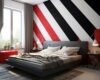
- Patterns: Use patterns such as geometric shapes, stripes, or florals to add a dynamic element to the design and create a sense of movement.
Final Review
Elevate your living space with a stunning TV wall design that not only enhances your viewing experience but also adds a touch of sophistication to your home. With the right blend of materials, lighting, and decor elements, you can create a focal point that truly reflects your unique style.
Explore the endless possibilities and transform your entertainment area into a showcase of modern design and innovation.
Questions and Answers
What are the key factors to consider when designing a TV wall?
Key factors include room size, layout, viewing angles, and aesthetics. Consider these elements to choose the right design for your space.
How can lighting enhance a TV wall design?
Lighting plays a crucial role in highlighting your TV wall. Ambient, task, and accent lighting can create different moods and enhance the overall look.
Which materials are commonly used in TV wall designs?
Common materials include wood, metal, glass, and stone. Each material offers a unique aesthetic and can complement different decor styles.