Exploring the World of Frank Lloyd Wright
Delve into the fascinating realm of Frank Lloyd Wright, a renowned architect whose innovative designs have left a lasting impact on the world of architecture. From his iconic structures to his unique architectural style, this article will take you on a journey through the life and work of this visionary artist.
Introduction to Frank Lloyd Wright
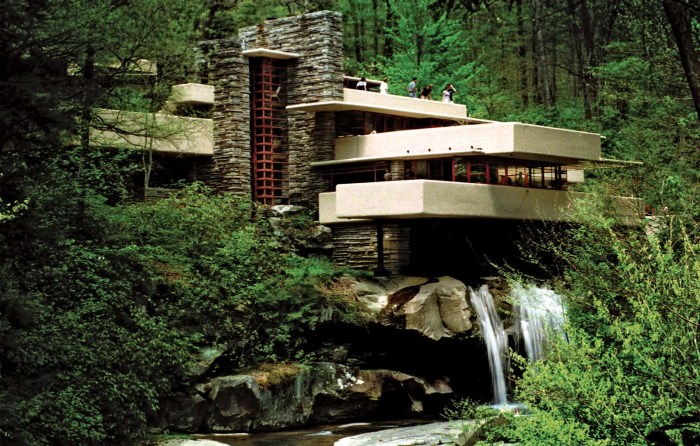
Frank Lloyd Wright was an American architect known for his innovative designs that emphasized harmony with humanity and the environment. He was born in 1867 and had a career that spanned over 70 years, leaving a lasting impact on the world of architecture.
Some of his most famous architectural works include:
- The Guggenheim Museum in New York City
- Fallingwater in Pennsylvania
- Taliesin in Wisconsin
- Robie House in Chicago
Architectural Style and Influences
Frank Lloyd Wright developed his own unique architectural style known as "organic architecture," which sought to blend buildings seamlessly with their natural surroundings. He drew inspiration from Japanese architecture, nature, and the Arts and Crafts movement. Wright's designs often featured open floor plans, horizontal lines, and the innovative use of materials like steel and concrete.
Architectural Innovations by Frank Lloyd Wright
Frank Lloyd Wright was a pioneering architect known for his innovative designs that revolutionized the field of architecture. His unique approach to design incorporated various elements that set him apart from his contemporaries.
Organic Architecture
Frank Lloyd Wright was a proponent of organic architecture, a philosophy that emphasized harmony between human habitation and the natural world. He believed that buildings should be in harmony with their environment, using natural materials and integrating seamlessly into the landscape.
Open Floor Plan Designs
One of Frank Lloyd Wright's most significant contributions to architecture was his use of open floor plan designs. He believed in creating spaces that flowed seamlessly from one area to another, eliminating the need for traditional room divisions. This allowed for a sense of openness and connection within the living spaces.
Integration of Nature in Buildings
Frank Lloyd Wright was known for integrating nature into his buildings in innovative ways. He often incorporated elements such as natural light, water features, and indoor gardens to bring the outdoors inside. This integration of nature created a sense of harmony and tranquility within his architectural masterpieces.
Legacy of Frank Lloyd Wright
Frank Lloyd Wright's architectural innovations have had a lasting impact on modern architecture, influencing design principles and sustainable practices.
Influence on Modern Architecture
Frank Lloyd Wright's work revolutionized the field of architecture, emphasizing organic integration with nature and the environment. His use of open floor plans, horizontal lines, and natural materials like stone and wood have inspired countless architects and designers.
Lasting Impact of Design Principles
Wright's design principles, such as harmony with nature, attention to detail, and the concept of "form follows function," continue to shape architectural practices today
Influence on Sustainable Architecture Practices
Frank Lloyd Wright was an early advocate for sustainable architecture, incorporating passive solar design, natural ventilation, and site-sensitive construction techniques in his projects. His focus on sustainable practices has paved the way for a more environmentally conscious approach to architecture, inspiring future generations to prioritize sustainability in their designs.
Frank Lloyd Wright’s Personal Life and Philosophy
Frank Lloyd Wright, a renowned architect, faced both personal challenges and triumphs throughout his life. From his tumultuous love life to his financial struggles, Wright's personal journey greatly influenced his approach to architecture and design.
Personal Life
- Wright's personal life was marked by multiple marriages and affairs, leading to public scandal and personal turmoil.
- Despite his turbulent relationships, Wright was a devoted father to his children and found solace in his work.
- His upbringing in a family of strong-willed individuals and his own rebellious nature shaped his character and approach to life.
Philosophy on Architecture and Design
- Wright believed that architecture should be in harmony with nature, emphasizing organic forms and integration with the environment.
- He championed the concept of "organic architecture," where buildings are designed to coexist harmoniously with their surroundings.
- Wright's philosophy focused on simplicity, functionality, and the use of natural materials to create spaces that enhance the human experience.
Influence of Personal Beliefs on Work
- Wright's personal experiences, including his relationships and struggles, influenced the emotional depth and complexity of his architectural designs.
- His belief in the interconnectedness of all aspects of life translated into his designs, where every element served a purpose and contributed to the whole.
- Wright's commitment to individuality and innovation in both his personal life and work set him apart as a visionary architect with a unique perspective.
Closing Summary
In conclusion, Frank Lloyd Wright's legacy continues to shape the architectural landscape, inspiring generations of architects and designers. His groundbreaking concepts and timeless designs remain as relevant today as they were during his time, solidifying his position as a true architectural pioneer.
FAQ
What was Frank Lloyd Wright's most famous architectural work?
One of his most famous works is the Fallingwater house in Pennsylvania, known for its integration with nature and innovative design.
What influenced Frank Lloyd Wright's architectural style?
Wright was influenced by Japanese architecture, the Arts and Crafts movement, and nature, which he integrated into his designs.
Did Frank Lloyd Wright face any challenges in his personal life?
Yes, Wright faced personal and professional challenges, including financial difficulties and controversies surrounding his personal life.