Exploring the Legacy of Marcel Breuer
Marcel Breuer, a pioneering figure in architecture and design, left an indelible mark on the world with his innovative creations and unique approach. Delve into the life and works of this visionary artist as we uncover the essence of Marcel Breuer's influence and impact in the realm of architecture.
As we journey through his remarkable career, we will unveil the key elements that shaped his design philosophy and explore the timeless beauty of his architectural masterpieces.
Background of Marcel Breuer
Marcel Breuer was a Hungarian-born architect and designer known for his innovative contributions to modernist architecture and furniture design. Born in 1902, Breuer studied and later taught at the Bauhaus school in Germany, where he was influenced by the principles of functionalism and the use of new materials in design.
Significant Contributions
- Breuer is best known for his iconic furniture designs, such as the Wassily Chair and the Cesca Chair, which revolutionized the use of tubular steel in furniture construction.
- His architectural works, including the UNESCO headquarters in Paris and the Whitney Museum of American Art in New York City, showcase his innovative use of concrete and glass in modernist structures.
Key Influences
- One of the key influences on Marcel Breuer's work was his time at the Bauhaus school, where he was exposed to avant-garde design concepts and the idea of combining art and technology in architecture.
- Breuer was also influenced by the De Stijl movement and the works of artists like Wassily Kandinsky and Piet Mondrian, which inspired his use of geometric forms and primary colors in his designs.
Architectural Style of Marcel Breuer
Marcel Breuer is known for his innovative architectural style that combines elements of modernism with his own unique approach. His designs often feature a focus on geometric forms, the use of industrial materials like steel and concrete, and an emphasis on functionality and simplicity.
Comparison with Other Architects
Marcel Breuer's architectural style can be compared to that of other prominent architects of his time, such as Le Corbusier and Mies van der Rohe. While Le Corbusier focused on principles of modernism and functionality, Breuer added his own twist by incorporating more sculptural elements and a sense of dynamism in his designs.
On the other hand, Mies van der Rohe's work was characterized by a more minimalist and rational approach, with a strong emphasis on the use of glass and steel. Breuer's style, in comparison, was often more expressive and experimental.
Key Characteristics of Breuer’s Design Approach
- Bold use of geometric forms: Breuer's buildings often feature bold, sculptural shapes that create a sense of dynamism and movement.
- Integration of industrial materials: He was known for using industrial materials like steel, concrete, and glass in innovative ways, blurring the lines between architecture and engineering.
- Focus on functionality: Despite his experimental designs, Breuer always prioritized the functionality of his buildings, ensuring that they were practical and user-friendly.
- Exploration of space and light: Breuer's designs often played with light and shadow, creating dynamic interior spaces that were both visually striking and functional.
Notable Works by Marcel Breuer
Marcel Breuer, known for his innovative approach to architecture, has left a lasting impact on the field with several notable projects that showcase his unique style and vision.
Whitney Museum of American Art (Now The Met Breuer)
Designed by Marcel Breuer in 1966, the Whitney Museum of American Art in New York City is a prime example of Brutalist architecture. The building features a striking concrete facade and a sculptural form that reflects Breuer's modernist aesthetic.
St. John’s Abbey Church
Completed in 1961, the St. John's Abbey Church in Collegeville, Minnesota is another iconic work by Marcel Breuer. The church's design incorporates innovative use of materials like concrete, wood, and stained glass to create a space that is both spiritual and modern.
IBM Research Center
Marcel Breuer's design for the IBM Research Center in La Gaude, France, completed in 1962, is a testament to his mastery of combining form and function. The building features a distinctive X-shaped structure and a modular design that allows for flexibility and adaptability.
Impact of Marcel Breuer’s Works
Marcel Breuer's works have had a profound influence on the field of architecture, particularly in the use of materials and structural elements. His innovative designs, characterized by bold geometric forms and the creative use of concrete, steel, and glass, have inspired generations of architects and designers.
Materials and Structural Elements in Marcel Breuer’s Buildings
Breuer's buildings often feature a harmonious blend of materials such as concrete, steel, and glass, used in innovative ways to create dynamic spaces that are both functional and aesthetically pleasing. His focus on the structural integrity of his designs and the expressive potential of materials set him apart as a visionary architect.
Design Philosophy of Marcel Breuer
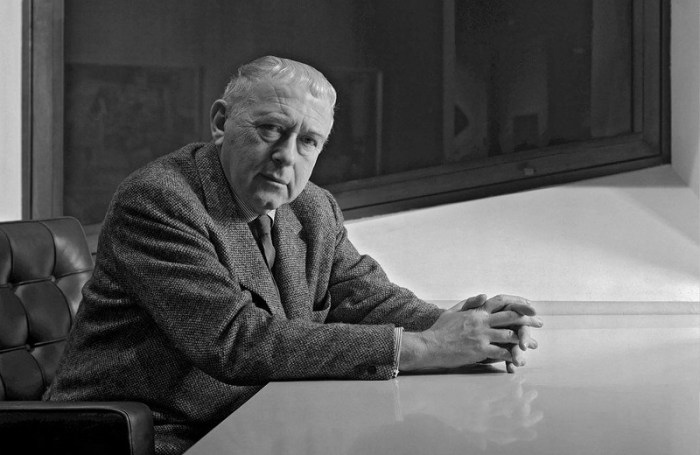
Marcel Breuer, known for his innovative approach to modern architecture and furniture design, had a distinctive design philosophy that emphasized the integration of form and function in his creations. His work was characterized by a focus on simplicity, geometric shapes, and the innovative use of materials.
Evolution of Design Philosophy
Marcel Breuer's design philosophy evolved over time, influenced by his experiences and the changing landscape of architecture. Initially inspired by the Bauhaus movement, Breuer's early works reflected a minimalist and functionalist approach. As he gained more experience and exposure to different design trends, his style became more experimental, incorporating a mix of traditional and modern elements.
Relationship between Form and Function
In Marcel Breuer's designs, the relationship between form and function was paramount. He believed that the aesthetic appeal of a structure should not compromise its practicality and utility. Breuer's buildings and furniture pieces were a harmonious blend of sleek, clean lines and ergonomic considerations, showcasing his commitment to both visual appeal and usability.
Concluding Remarks
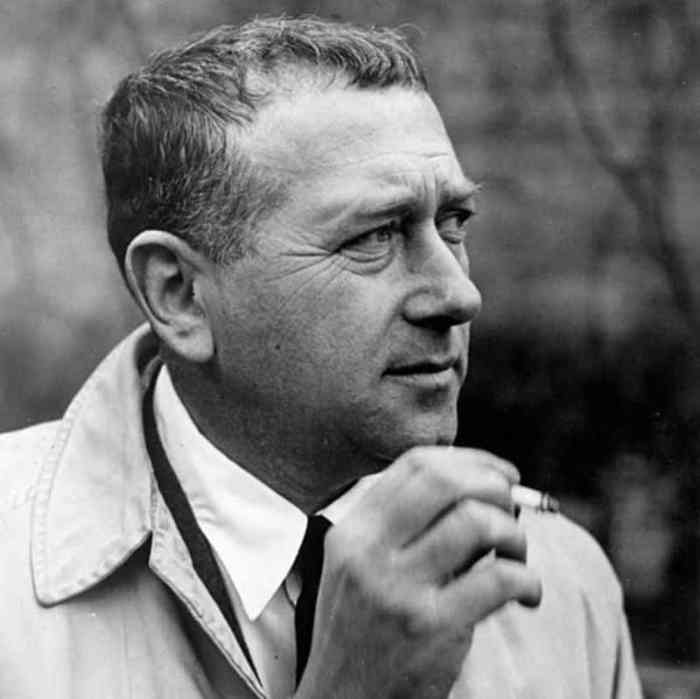
In conclusion, Marcel Breuer's legacy continues to inspire and captivate audiences worldwide, showcasing the enduring relevance of his contributions to the field of architecture. His innovative spirit and unwavering commitment to blending form and function serve as a testament to his enduring influence in shaping the built environment.
Essential Questionnaire
What were some key influences on Marcel Breuer's work?
Marcel Breuer was heavily influenced by the Bauhaus movement and the principles of modernism, which emphasized functionality and simplicity in design.
Can you describe Marcel Breuer's architectural style?
Marcel Breuer is known for his brutalist architectural style characterized by the use of concrete, steel, and glass, creating bold and geometric structures.
What are some of Marcel Breuer's most famous architectural projects?
Some of Marcel Breuer's most notable works include the UNESCO Headquarters in Paris, the Whitney Museum of American Art in New York, and the Saint John's Abbey Church in Minnesota.
How did Marcel Breuer's design philosophy evolve over time?
Initially focused on the principles of modernism and functionalism, Marcel Breuer's design philosophy evolved to incorporate a more sculptural and expressive approach in his later works.
What is the significance of the relationship between form and function in Marcel Breuer's designs?
Marcel Breuer's emphasis on the harmonious balance between form and function in his designs revolutionized modern architecture, influencing generations of architects to come.